
Supreme Court, Stray Dogs & Constitutional Limits
When judicial orders clash with parliamentary law
Feb 16, 2026, 22:28 IST

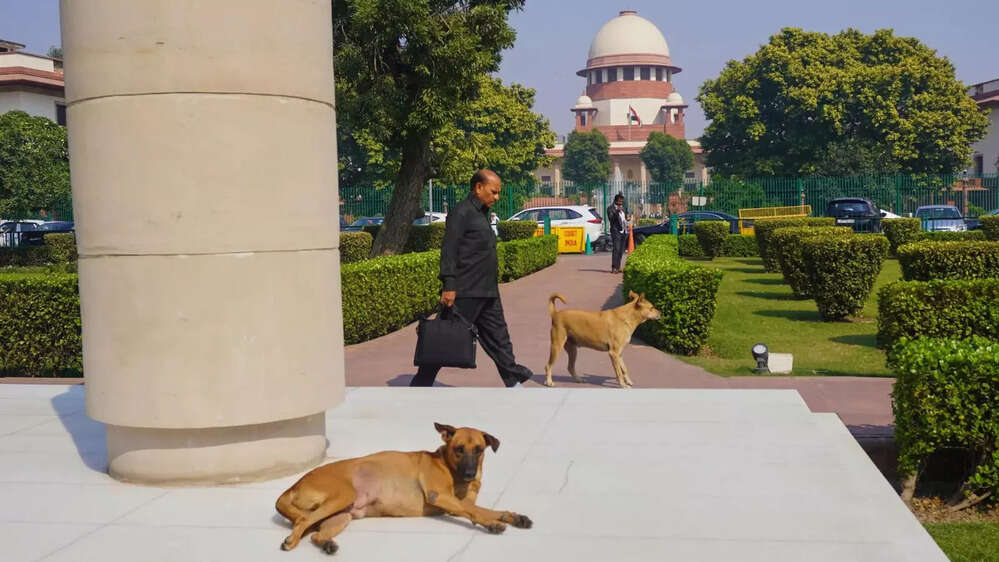
(Image: AP)
Everything that goes on in the 0.1 sq km campus of Supreme Court has a legal backing in some or the other article of the Constitution of India. Well everything, except the Nov 7, 2025 order of the Suo Moto Stray Dogs case bench.For example, when an advocate argues a case for a client in Supreme Court, then the learned advocate is exercising his/her freedom to practise any profession as mentioned under Article 19(1)(g) of the Constitution. The client is taking their issue to SC for redressal under their right to move for judicial remedy to the apex court under Article 32 of the Constitution. Similarly, SC itself is established under Article 124 of the Constitution that says “Establishment and Constitution of Supreme Court” and that SC is located in Delhi is also because of an article of the Constitution (Article 130 – The Supreme Court shall sit in Delhi). That we have a Constitution of India and not instead governed by the British made laws is because of Article 395 which repeals the British Parliament passed Indian Independence Act, 1947 and the Government of India Act, 1935. That this Constitution is currently applicable to India is because of Article 394, which mandates that the “...provisions of this Constitution shall come into force on the twenty-sixth day of January, 1950”. And finally, if you can believe it, even that the Constitution is called the “Constitution of India” because of Article 393, which mentions that “This Constitution may be called the Constitution of India.”But the Nov 7 order of SC, specifically para 25 clause E of the same has nebulous if not non-existent constitutional moorings. Why? because this order imperiously ordered the forthwith removal of every stray dog found on institutional land and that after sterilization the dogs not be released back to the same location and this mandate is completely contrary to the law made by the Parliament (the Prevention of Cruelty to Animals Act, 1960 read with Animal Birth Control Rules, 2023) which read together state that under rule 11(19) that “...The dogs shall be released at the same place or locality from where they were captured..” This means that we have a constitutional stand-off, as the three judges of Supreme Court are passing an order that flies in the face of the clear law made by the Parliament. The same Parliament which houses democratically elected members, representing the will of the people of the country, which is exactly what judges are not - elected by the people of the country. The same people of the country which the Constitution declares as sovereign as it starts with the line “WE, THE PEOPLE OF INDIA, having solemnly resolved to constitute India”. Since the Parliamentary law and the Nov 7 order are diametrically opposed to each other, only one can stand. But the respected Judges have passed this order without even questioning the said no relocation rule from the ABC Rules, 2023. And this is what is baffling the author, that if even the name of the Constitution is under some provision of the Constitution, then under what confounded Article do the judges possess power to pass orders overriding the law of the Parliament! Is there an article in the Constitution of India which says that judges can blithely ignore certain laws as and when they want? Last the author checked, the whole point of the Constitution was to curb any such arbitrary tendencies of any branch of the government. The very same Constitution in the Third Schedule provides the oath which all Supreme Court judges must take and this oath states having been appointed a Judge of Supreme Court “do swear in the name of God that I will bear true faith and allegiance to the Constitution of India... and that I will uphold the Constitution and the laws.”The author is not even delving into arguments such as the unimplementability of the Clause E order as argued legends of the law like senior advocates KK Venugopal (former Attorney-General for India) or the possible alternatives to such a draconian order as delineated by senior advocate Kapil Sibal or the deeper constitutional conflicts of the said order as adumbrated by senior advocate Abhishek Manu Singhvi (former Additional Solicitor General of India) and other such issues raised by a veritable who's-who of the judicial firmament.The author is only asking a single question – if everything in SC has a legal provision behind it (including the name of the Constitution itself!) then can the judges in the next order kindly edify the country, from which article are they deriving their power to ignore and ride roughshod over an existing Parliamentary law and passing orders contrary to it. Much obliged, Your Lordship.The writer is advocate, SC
Explore Every Corner
Across The Globe
JEE Main Session 1 ResultJEE Mian ResultsJEE Main Result ScorecardJEE Main Official vs Unofficial WebsitesAUS vs SLXandra VelzeboerStefon DiggsSean Strickland vs Anthony HernandezNazem KadriBrad MarchandBradley ChubbWho is Johannes Høsflot KlæboFianceeHardik PandyaToday T20 World Cup MatchesENG vs ITA Live ScoreJEE Main Answer KeyRBI Assistant RecruitmentShoaib AkhtarUAE school busSaudi school timingsWhatsApp UAEElon Musk starlinkTom HomanOfelia TorresJeffrey EpsteinMacKenzie ScottWaqar YounisHenrik LundqvistIND vs PAK Head to HeadT20 World Cup 2026 Schedule
Hot on the Web
Ramadan Mubarak MessagesRajpal Yadav Bail HearingAnurag KashyapVijay DeverakondaShashi TharoorSalman KhanRajpal YadavShraddhaDhanushBaby NamesPremium Indian DishesRamadan 2026George ClooneyInderjeet Singh'O'Romeo' Box Office CollectionSnakes Hiding SpotsPriyanka ChopraKunal NayyarPandit Ravi ShankarJana Nayagan1987 Dinner MenuMardaani 3 Box Office CollectionX DownHair Care TipsBorder 2 CollectionRobert FrostBorder 2 Movie ReviewZodiac SignsFarhan AkhtarTu Yaa Main Movie ReviewToday Gold Rate in ChennaiDelhi Weather TodayDelhi AQI TodayMumbai AQI TodayMaharashtra Public Holidays 2026Ai Impact Summit 2026PM Rahat SchemeElon MuskSridhar VembuJensen HuangOppo K14x5G
Trending Topics
AUS vs SL LiveSimone BilesMilano Cortina Winter OlympicsDave Ryding WifeConor McGregorLindsey VonnT20 World CupJason HolderMontreal CanadiensLalu Prasad YadavUttrakhand trafficSri RamaniShahzada Bagh fireMumbai traffic restrictionsPune airportTangri Bridge accidentNara LokashBelagavi loot claimRohit ShettyNauradehi Wildlife SanctuaryAndaman & NicobarLudhiana accidentRajasthan factory blazeBanglar Yuva Sathi schemeBEST bus laneMamata BanerjeeRussian crude oilIndia inflationGreater Noida deathAhmedabad bomb threatIndia inflationIncome tax rules 2026Mumbai coupleBengal murderMamata BanerjeeDelhi AI summitBengaluru accidentDelhi UniversityJharkhand gangsterHow to watch ICC T20 World Cup 2026 in USAHow to watch ICC T20 World Cup 2026 in CanadaHow to watch T20 World Cup online in India
Popular Categories
HeadlinesSports NewsBusiness NewsIndia NewsWorld NewsBollywood NewsHealth+ TipsIndian TV ShowsTechnologyTravelEtimesHealth & FitnessHow to watch T20 World Cup OnlineIndia vs Pakistan MatchAstrologyAutoWeather TodayGold Rate Today DelhiSilver Rate TodayPlatinum Rate TodayIs Bank open todayBank Holidays in February 2026Public Holidays in February 2026DeorhiTechnology NewsInternational SportsPublic HolidaysBank HolidaysT20 World Cup Squad IndiaT20 Wprld Cup Squad
Trending Videos
Kallas Unleashes Public Roast On Rubio, Leaving Audiences Stunned; ‘The Audacity…’Sarah Ferguson 'Spotted In Dubai' Amid Epstein Files Fallout? Report Claims 'Comeback Plot''From 25 Years To 5’ Rajnath Singh Pushes DRDO With 5-Year Ultimatum On 5th And 6th Gen EnginesWill Vijay Sethupathi play Vibhishana In Nitesh Tiwari’s Ramayana?Tehran’ Producer Dana Eden Found Dead in Athens; Foul Play Rumors Addressed | WATCHIndian Team To Visit US Next Week To Finalise Trade Deal Framework As Govt Faces Opposition Fireशिवलिंग अभिषेक का सबसे शक्तिशाली समय | जानिए प्रदोष काल का महत्व | Pawan SinhaManifestation का Golden Year 2026 | जो मांगोगे वो मिलेगा | Mitesh Khatriक्या ISKCON का पैसा सच में विदेश जाता है? जानिए पूरा सच! | Nityananda Charandas PrabhujiT20 World Cup: Jonathan Trott after Afghanistan beat UAEKanpur: CSA University Clash, Teen Assault Case, Youth Found DeadThat’s NOT Ghislaine Maxwell? Latest Prison Video Sparks WILD Conspiracy TheoriesRajnath Singh Visits Gas Turbine Research Establishment In Bengaluru‘Hard To Deal With Iran’: Macro Rubio’s Shocking Admission Amid Nuclear Talks TensionsPriyanka Chaturvedi Questions BCCI Over India-Pakistan Match After T20 WinIndian Cricket Team Arrives In Ahmedabad After Big Win Over PakistanAditya Roy Kapur Returns To Mumbai, Greets Paparazzi With Charm And SmileSuryakumar Yadav Reflects On India vs Pakistan Clash As Old Comments Gain Fresh Relevance
Latest News
Sadhguru launches ‘Bhavya Bharat Bhushan’ award; Rajnath Singh felicitates achieversApple announces March 4 “special Apple Experience” event in New York, London, and Shanghai: Here’s what to expectEx-Konami developer Shutaro Iida known for Metal Gear Solid V Ground Zeroes and other popular games passes away at 52CEO of European company that was forced to sell its American business this year has a warning for everyone, says: You don’t want to be …Ameesha Patel faces non-bailable warrant in Rs 4.5 lakh cheque bounce case; counsel says matter was settledAtal Innovation Mission plans to establish 15-20 startup accelerator centres: Ashish PandeyRajnath opens BEL missile integration Centre, flags off 3rd & 4th Akash regimentsRamadan 2026 Moon Sighting: Date, time and first Roza in IndiaSydney Sweeney net worth 2026: How has 'The Housemaid’ star built her USD 40 million fortune?‘Fan girl’ Nancy Pelosi believes Gavin Newsom make a ‘great president,’ reportedly Backs him for 2028 White House run: ReportSandbags, sirens and sadness: Rajesh Pratap’s eerily haunting answer to ‘Why don’t you wear a suit?’Hydration myths exposed: The hidden dangers to your kidneysThe hidden MAGA message in Marco Rubio's 'civilisational erasure' warning to EuropeRajkummar Rao assures fan he won’t do propaganda films in viral replyFindability Sciences, Nath School of Business & Technology, and Kamalnayan Bajaj Hospital sign MoU to advance AI-driven healthcare'No panic vs Pakistan': Ishan Kishan's bold statement after India's T20 World Cup demolition in ColomboIllness hits Germany biathlon team at Milano Cortina Winter Olympics 2026 as teammates fall sickCollin Morikawa announces pregnancy with wife Katherine Zhu moments after AT&T Pebble Beach Pro Am win
Copyright © 2026 Bennett, Coleman & Co. Ltd. All rights reserved. For reprint rights: Times Syndication Service